If you already know what you’re looking for, this guide will help you quickly find the right yarn family.
The easiest place to start if you already know which fiber you want to work with.
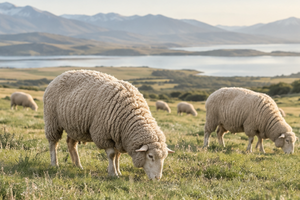
Elastic, warm and versatile. We offer merino and merino blends in fiber finenesses ranging from 17.5 to 21 microns and in different yarn weights.
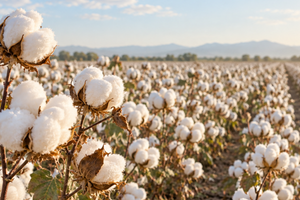
Less elastic, with excellent stitch definition. Available in different collections and yarn weights.

Ideal when you want a more fluid fabric with beautiful drape. At Budetex, you’ll find it blended with cotton in NUMI.
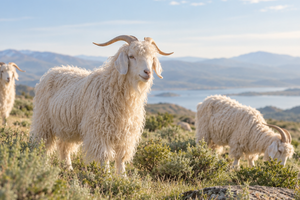
Adds halo, visual volume and lightness. MIDORI can be worked on its own or held together with another yarn.
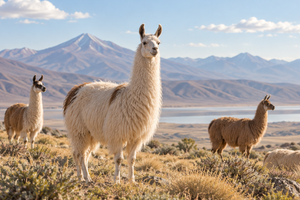
A distinctive fiber with a unique texture. INKA blends dehaired llama with merino.
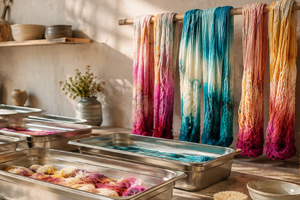
Selected yarn bases, hand-dyed in small batches for projects where color takes center stage.
For warmth and elasticity, look at merino. For breathability and stitch definition, choose cotton. For halo, mohair. For drape, viscose. For texture and character, llama.
If your pattern already specifies a yarn weight, start here.

Very lightweight yarns for shawls, airy fabrics, or holding together with another strand.
600 m or more per 100 g.
MIDORI.
For lightweight sweaters, socks, colorwork and projects with a high stitch count.
350–500 m per 100 g.
SURA, SOKI, CORI CORI Fingering, Huanaco and Bespoke.

A lightweight, versatile middle ground.
280–350 m per 100 g.
INKA and CORI CORI Atelier.

One of the most versatile yarn weights for garments and accessories.
200–280 m per 100 g.
NUMI, MERINO ESENCIA, CORI CORI DK and selected Huanaco yarns.
For more structured garments, textured stitches and accessories.
140–200 m per 100 g.
SURA Worsted, CORI CORI Worsted and Bespoke bases.
The season can guide your choice: breathability, drape, warmth, weight and fabric construction all work together.
This classification is not intended as a strict climate rule. The same garment can perform differently depending on where you live, how you wear it and how it is constructed. Think of it as a simple way to guide your choice.
COOLNESS · BREATHABILITY · DRAPE
For warmer temperatures, we look for fabrics that are lightweight, breathable and comfortable against the skin. Plant-based fibers and open fabric constructions are especially well suited to this.
It is also worth considering fabric weight: cotton and viscose can create wonderfully cool garments, but a fabric worked too densely may feel heavy.
VERSATILITY · LAYERING · MEDIUM WEIGHT
Spring and fall often call for garments that can adapt to temperature changes throughout the day.
Lightweight and mid-weight yarns work especially well for cardigans, lightweight sweaters, shawls and garments that can be worn on their own or layered.
WARMTH · INSULATION · TEXTURE
When warmth is the main goal, we look for fibers and fabric constructions that can trap air and create a comfortable insulating layer.
Merino, llama and mohair offer different levels of warmth, from relatively lightweight garments to substantial sweaters or fabrics with a soft halo.
BUDETEX RULE
Season can guide your choice, but it does not define the yarn on its own.
Climate, garment type, yarn weight, gauge and fabric construction can completely change how a fiber behaves. Cotton worked at a very tight gauge may feel heavy in summer, while a lightweight Fingering-weight merino can work beautifully for much of the year.
If you already know what you want to make, start with the project type.
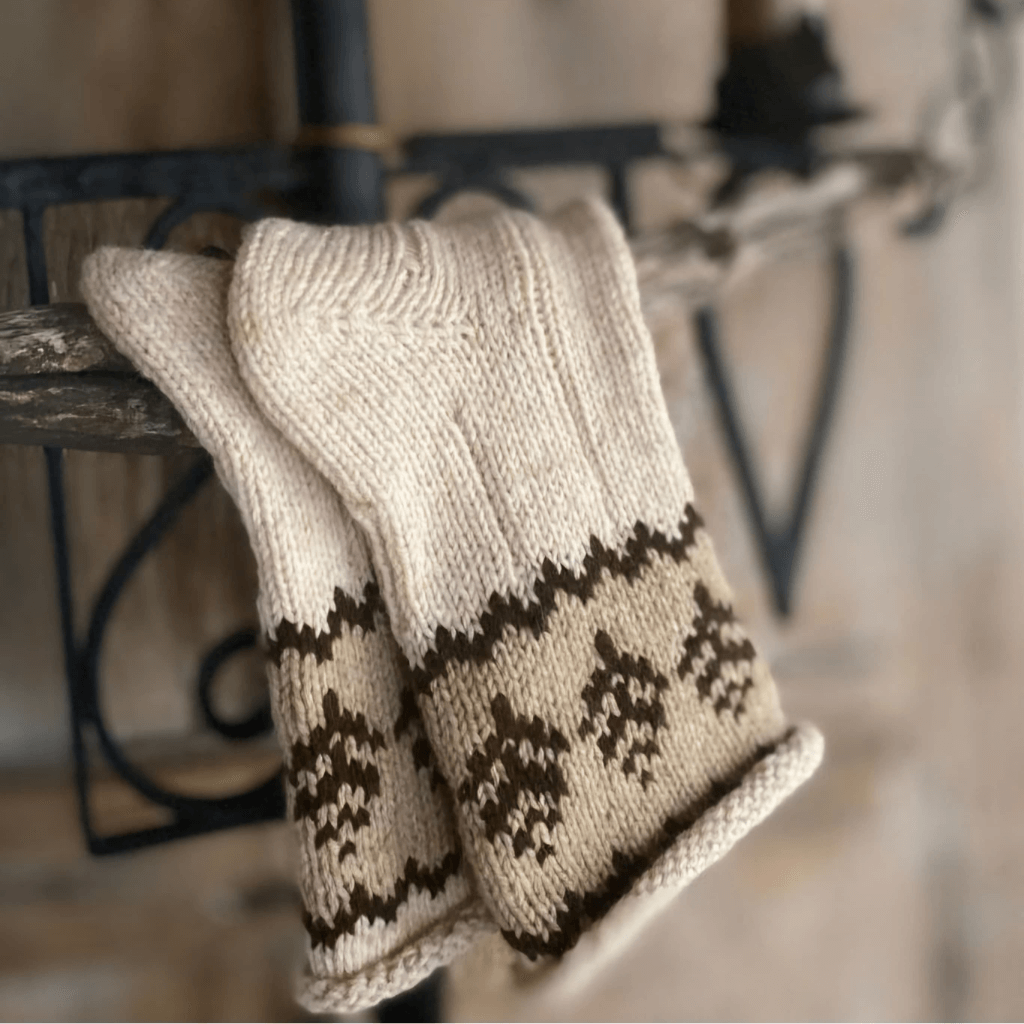
For everyday socks, we prioritize yarns with good recovery and abrasion resistance. For bed socks or lighter wear, you can broaden your choice to other fibers and constructions.
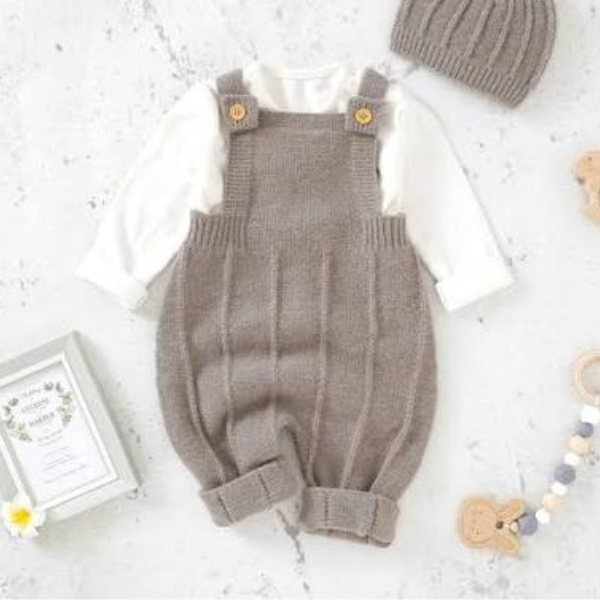
Look for soft, comfortable fibers that feel pleasant against the skin. Fine merino and combed cotton are excellent places to start.
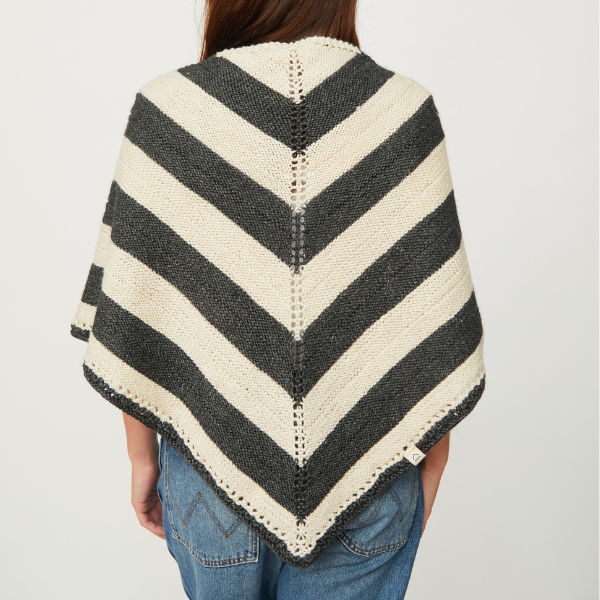
Lace, Fingering and Sport work especially well when you want lightness, drape and stitch definition.
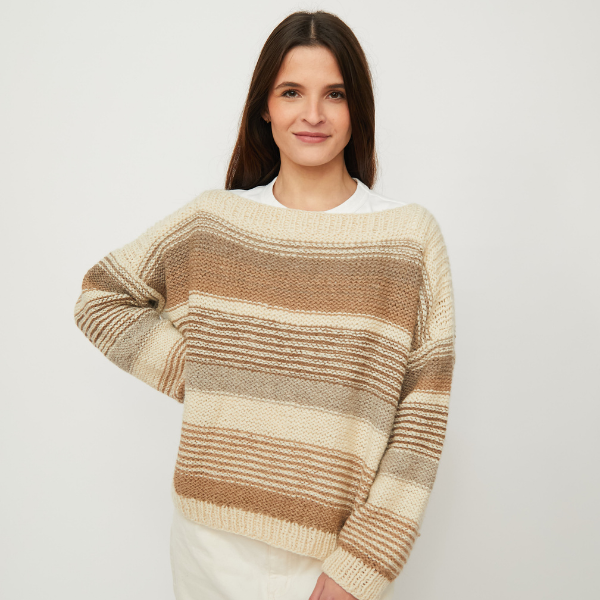
The choice depends on the garment: from lightweight Fingering to more substantial Sport, DK or Worsted yarns, as well as plant-based fibers for cooler garments.
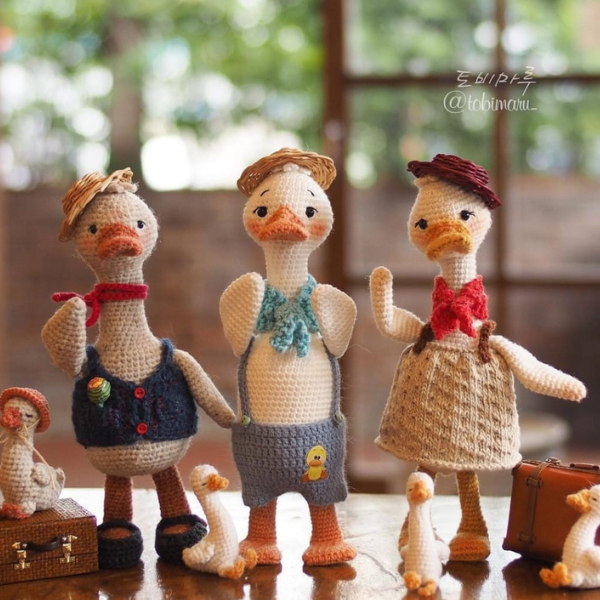
Cotton yarns with good stitch definition and structure for firm stitches and crisp shapes.
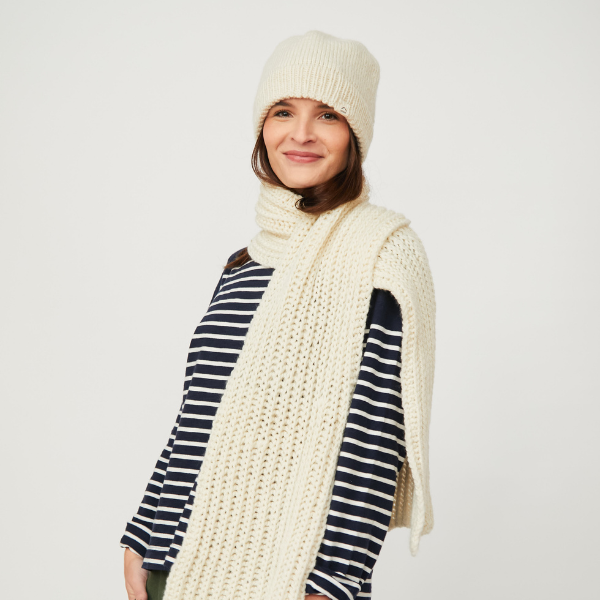
From lightweight accessories to warmer hats, cowls and mittens. Yarn weight and elasticity help determine the final result.
Each brand brings together a particular fiber, construction or approach to yarn. Explore each one to see the available weights and versions.
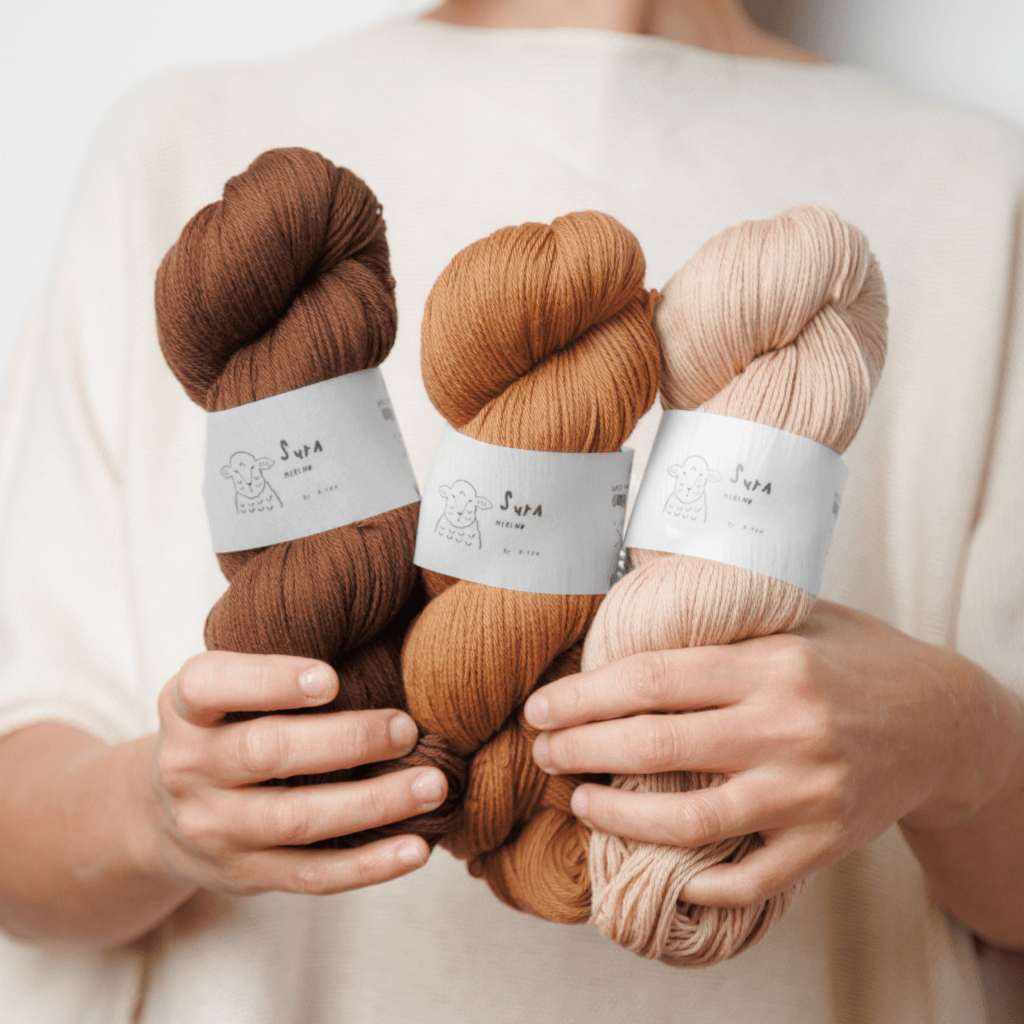
Extra-fine merino, soft and versatile for everyday garments.
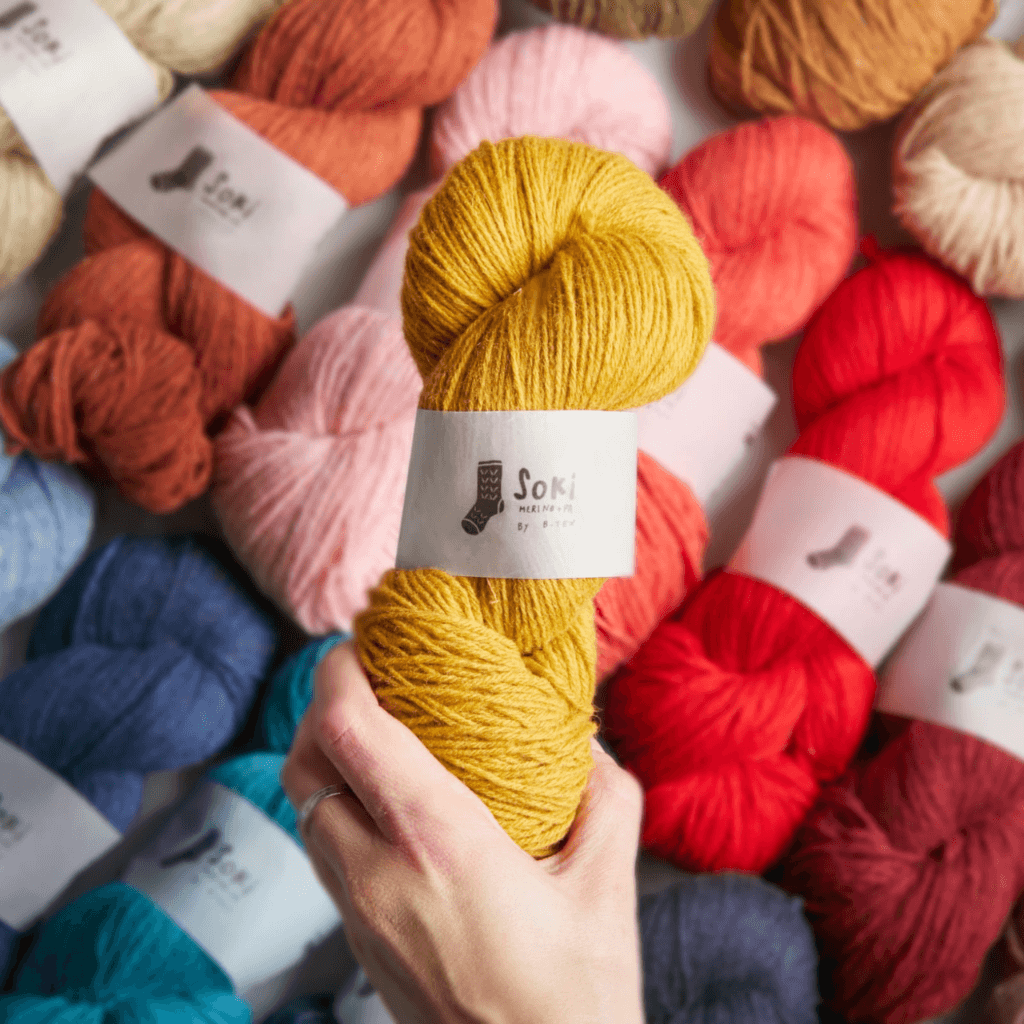
The softness of merino with added durability for socks and hard-wearing garments.
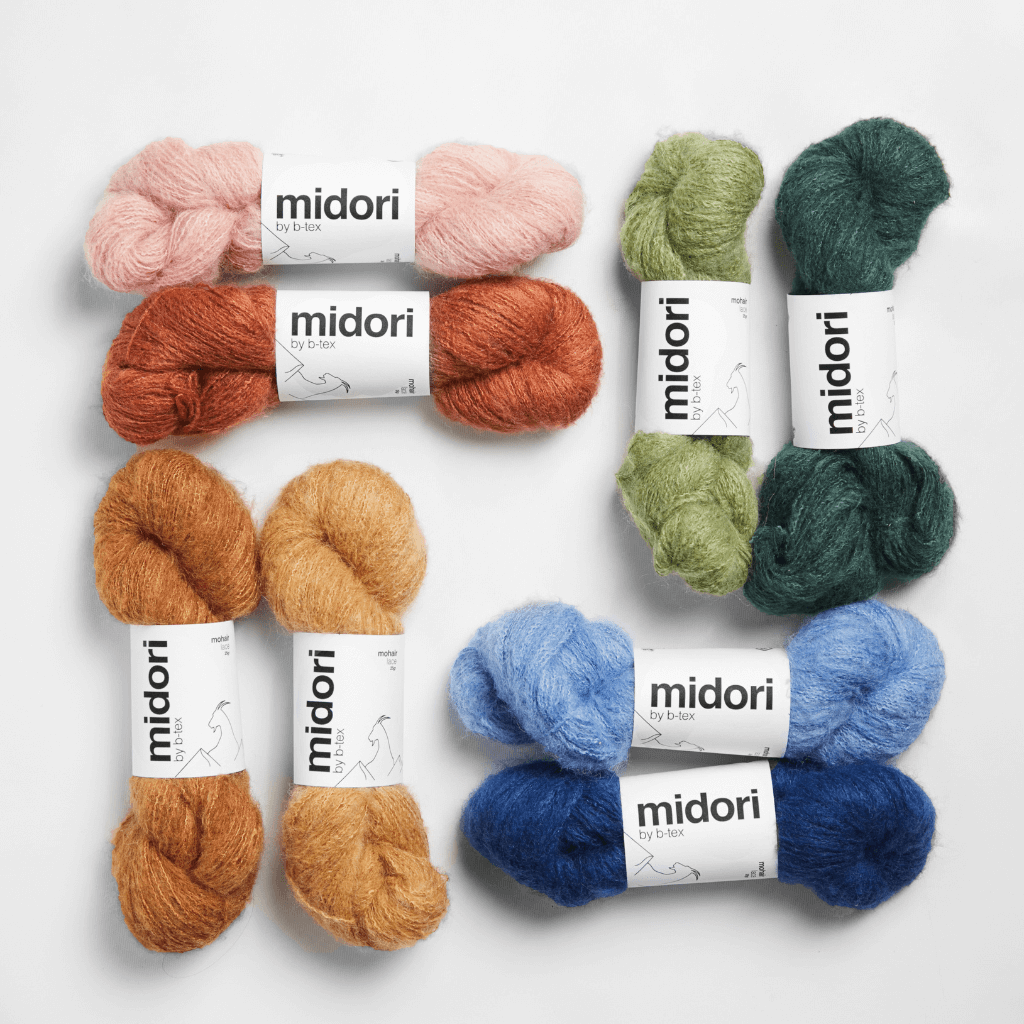
Halo, lightness and visual volume. It can be worked on its own or held together with another yarn.
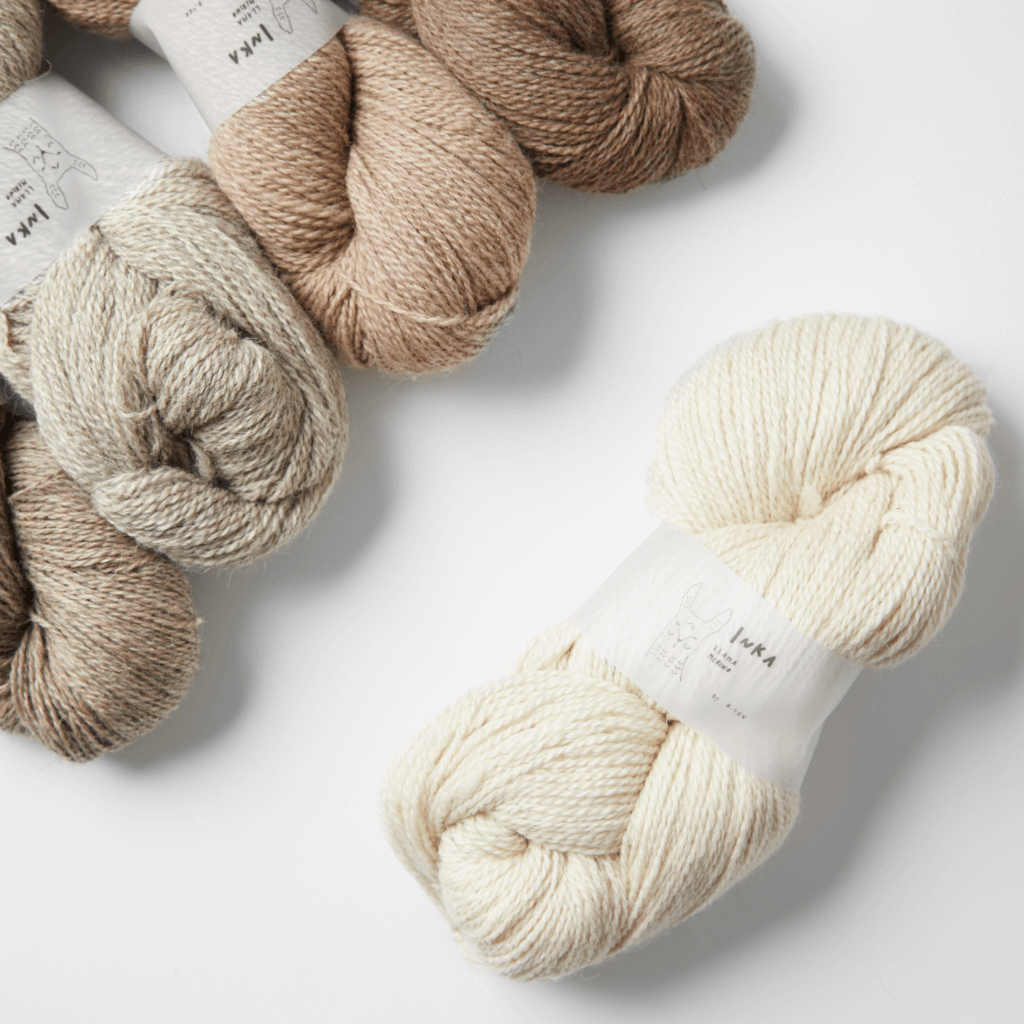
The texture and character of llama balanced by the softness and elasticity of merino.
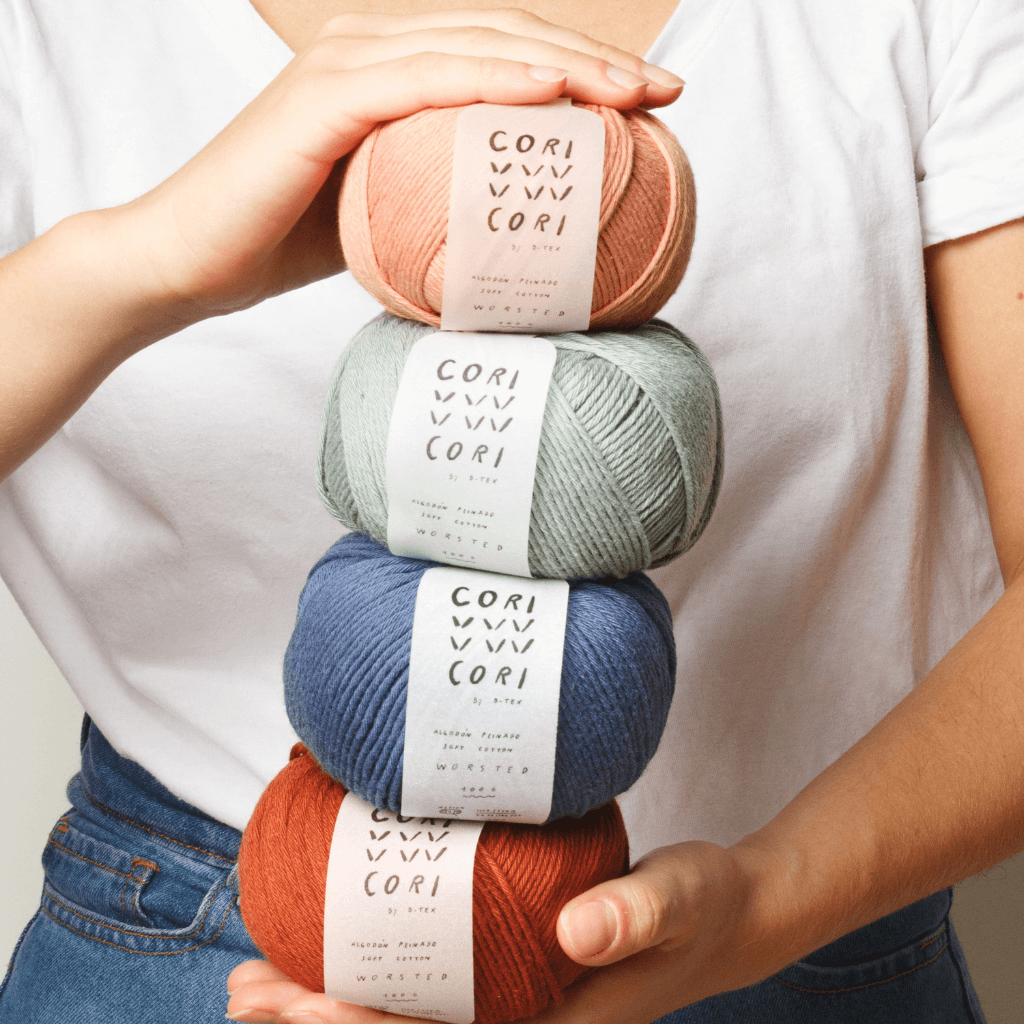
A versatile matte cotton available in three yarn weights and a wide range of colors.
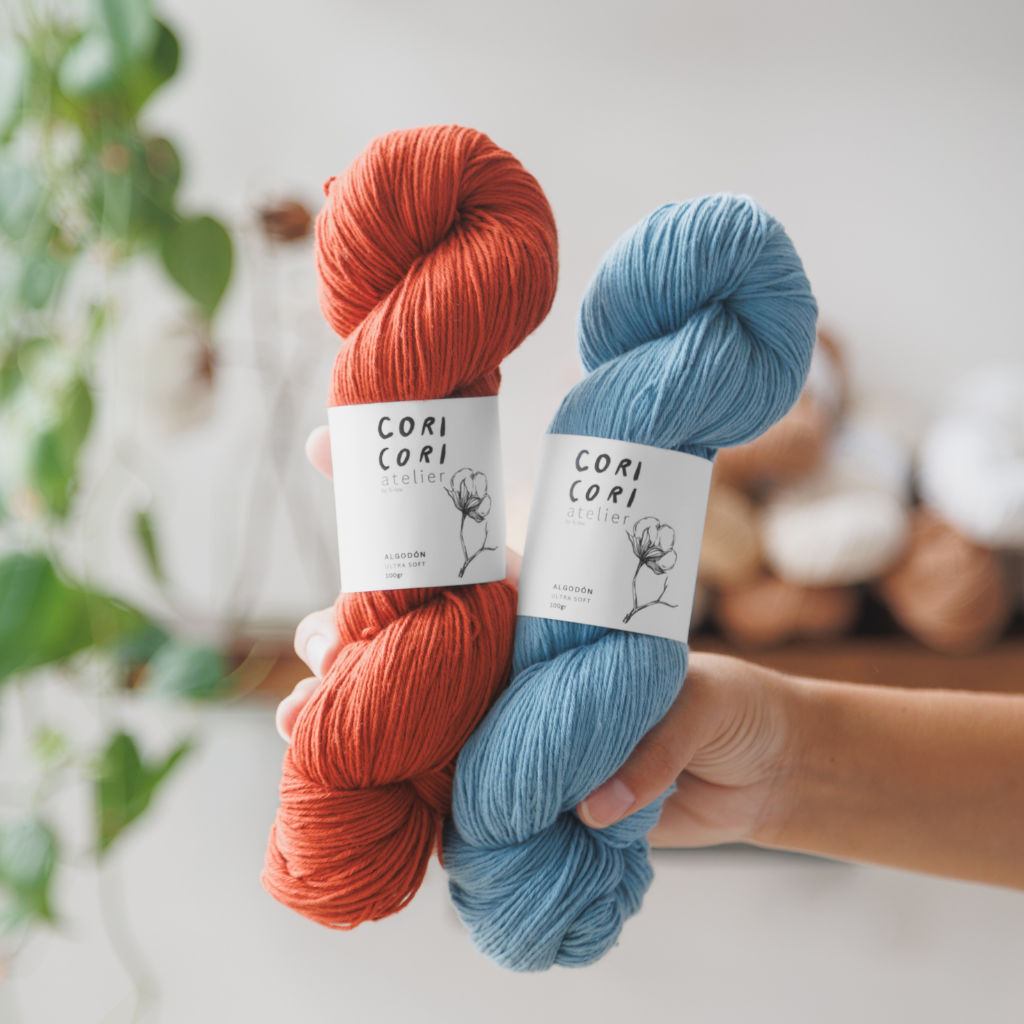
Smooth, well-defined combed cotton designed for garments, accessories and crochet.
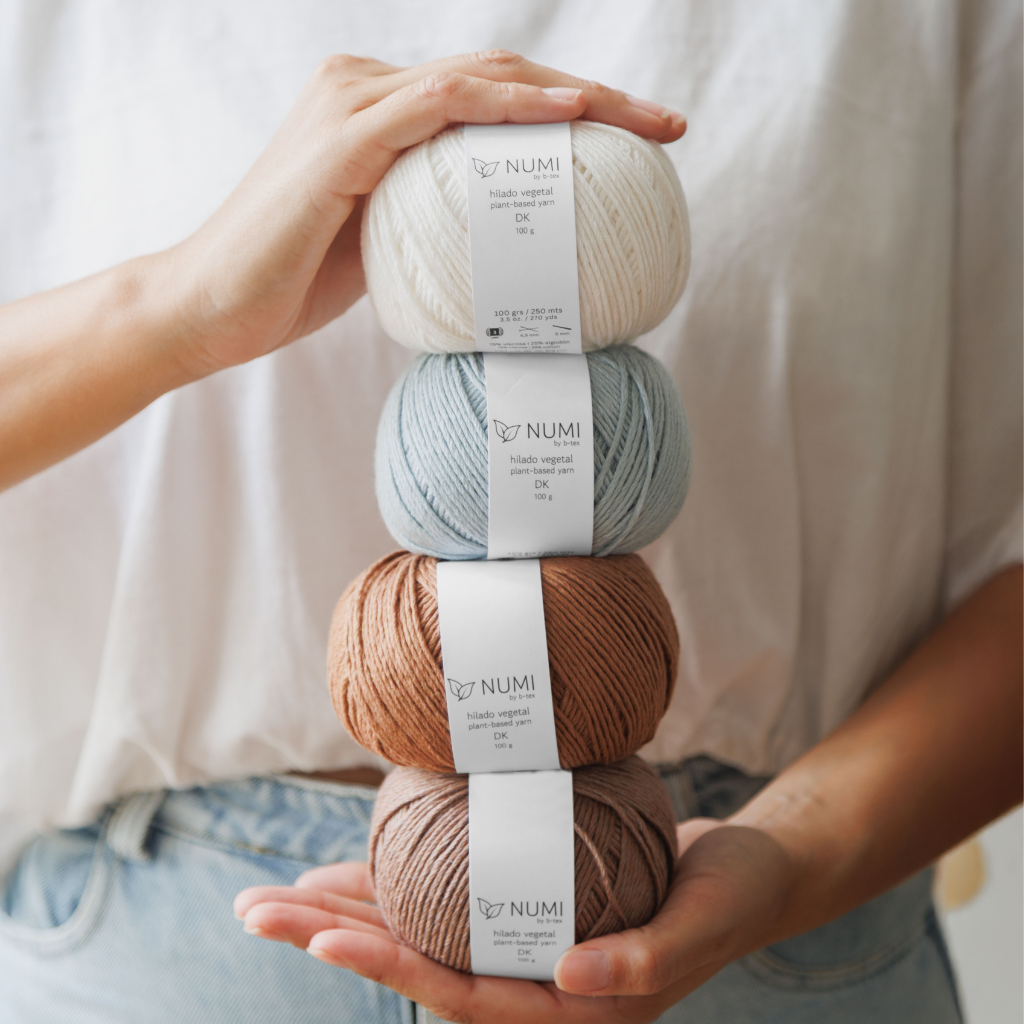
A plant-based yarn with drape, fluidity and a surface feel distinct from wool.
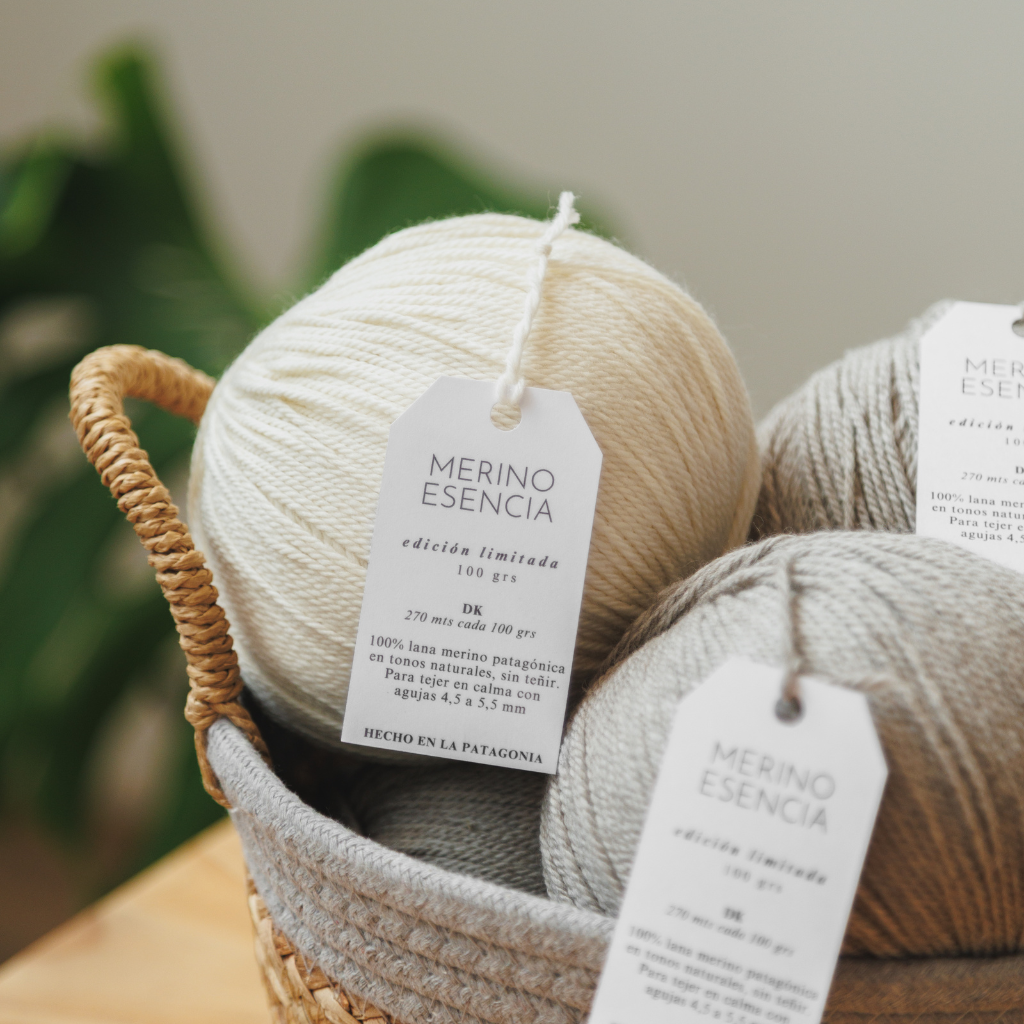
20-micron merino presented in the fiber’s own natural, undyed shades.
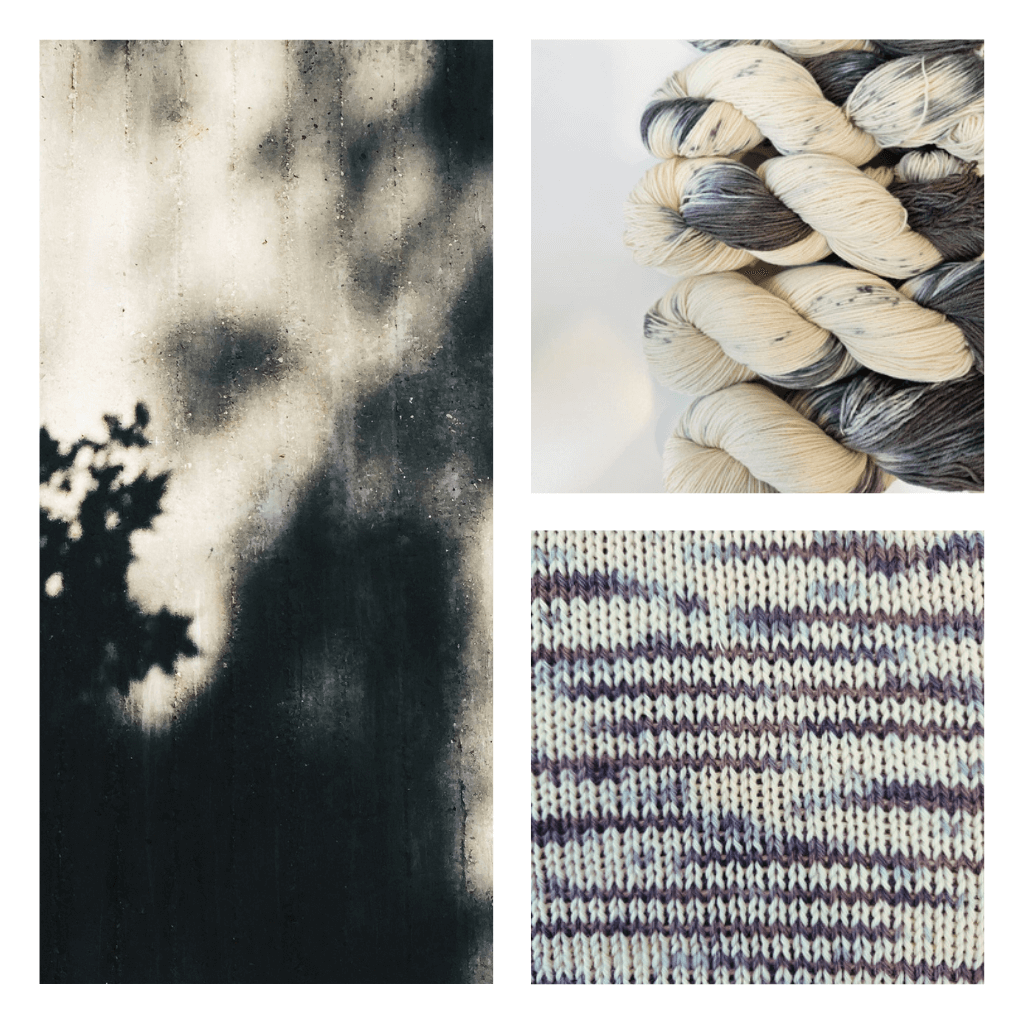
Selected B.Tex bases reinterpreted through small-batch hand dyeing.
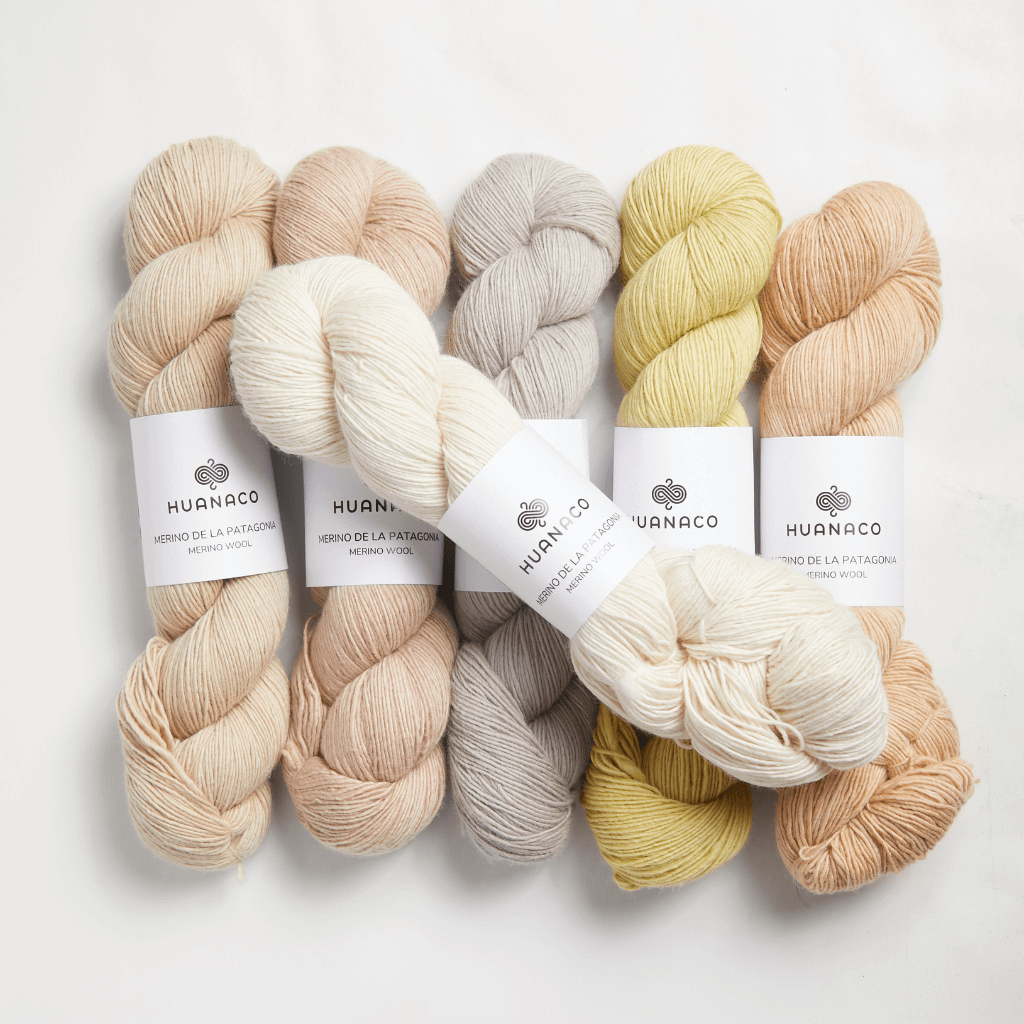
Patagonian merino yarns produced in small batches, with different fiber finenesses, yarn weights and color offerings.
If you’d like to learn more about Lace, Fingering, Sport, DK, Worsted, WPI, gauge, ply and international yarn-weight terminology, you’ll find a complete article on our Blog.
READ THE ARTICLE ABOUT YARN WEIGHTS

