When adding beads to a garment, choosing a color is only part of the decision. The shape, size, hole and finish determine how each bead interacts with the yarn and the knitted fabric.
At Budetex, we selected three MIYUKI bead families specifically for textile applications: Round 6/0, Square 4 mm and Triangle 5/0.
Start with the effect you want to achieve.
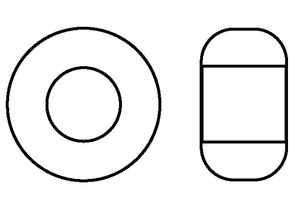
Rounded, balanced and easy to incorporate into different projects. This is our first recommendation if you have never knitted with beads before.
Approx. outer size 4.5 mm · approx. hole 1.5 mm
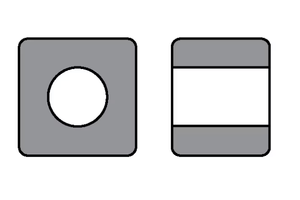
Its flat sides create a more graphic look. We would choose it for lines, borders or designs where the bead shape plays a leading role.
Approx. outer size 4 mm · approx. hole 1.4 mm
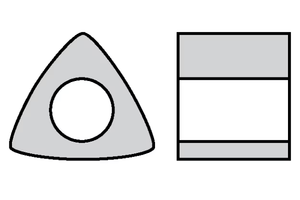
Its facets reflect light from different angles, creating a more dynamic visual surface.
Approx. outer size 4.5 mm · approx. hole 1.5 mm
It is the most neutral and versatile of the three shapes. Its size and hole make it a good starting point for garments, shawls, borders and lacework. Before using it in a full garment, we recommend making a small swatch.
Round is more neutral; Square adds geometry; Triangle adds facets and movement.
This is essential if the yarn needs to pass through the bead. Two beads of a similar outer size can have different hole sizes.
Matte, pearl, metallic, translucent or Duracoat finishes change the visual effect without changing the bead shape.
The shape defines the bead's geometry; the finish defines how it receives and reflects light. Start by choosing the effect you want to add to your knitting.
The most neutral and versatile shape to start with. It is a good starting point before choosing a more specific finish.
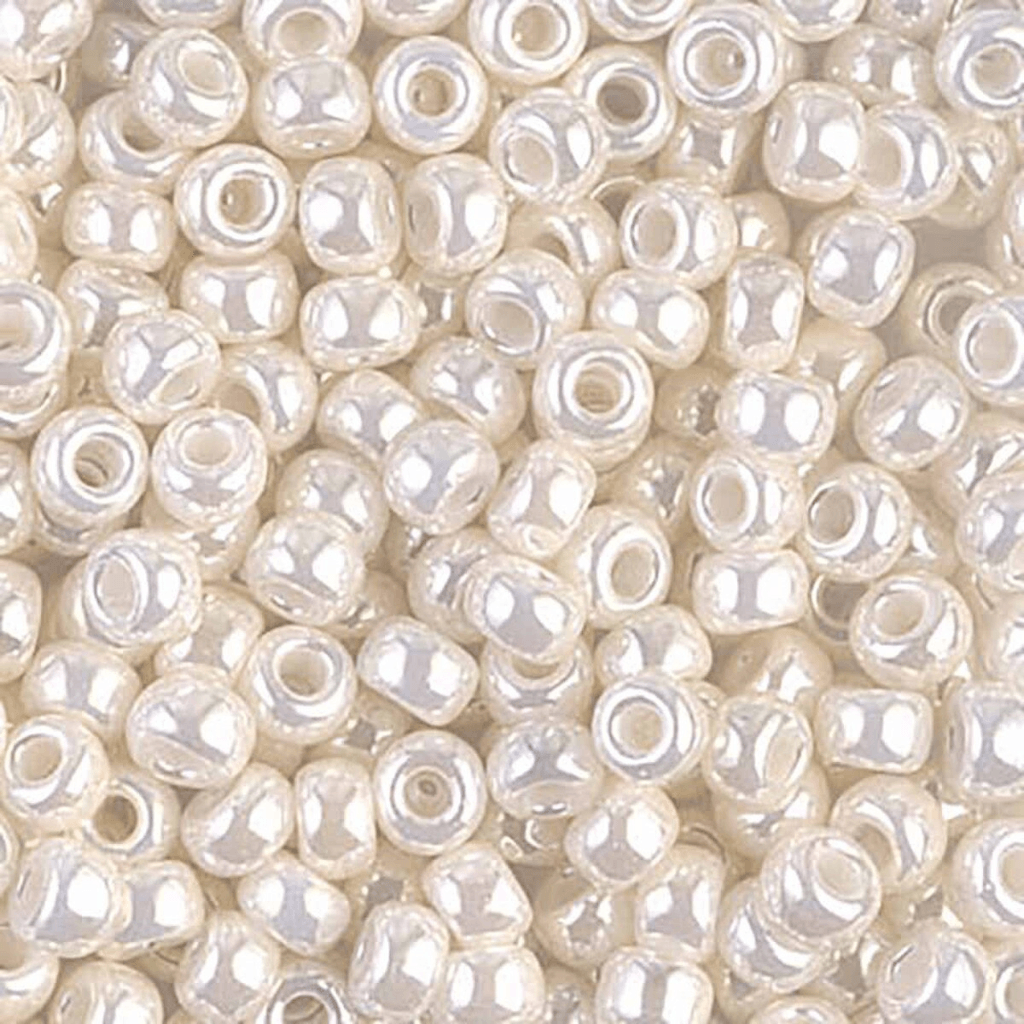
Finishes with a soft sheen and depth, adding subtle points of light without creating too much contrast.

The glass allows light to pass through, creating transparency and depth. The yarn color can become part of the final visual effect.
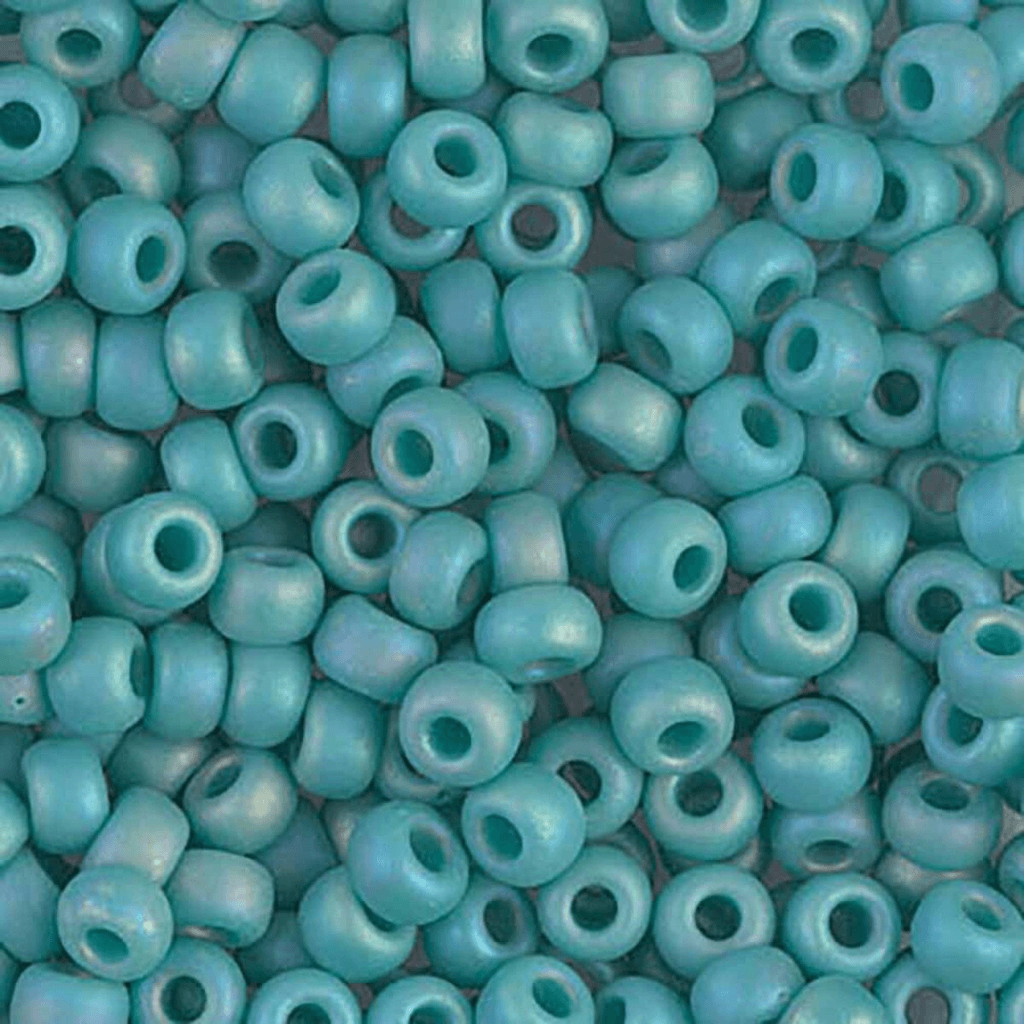
Low-sheen surfaces create a more understated look, with less reflection and greater emphasis on color and texture.
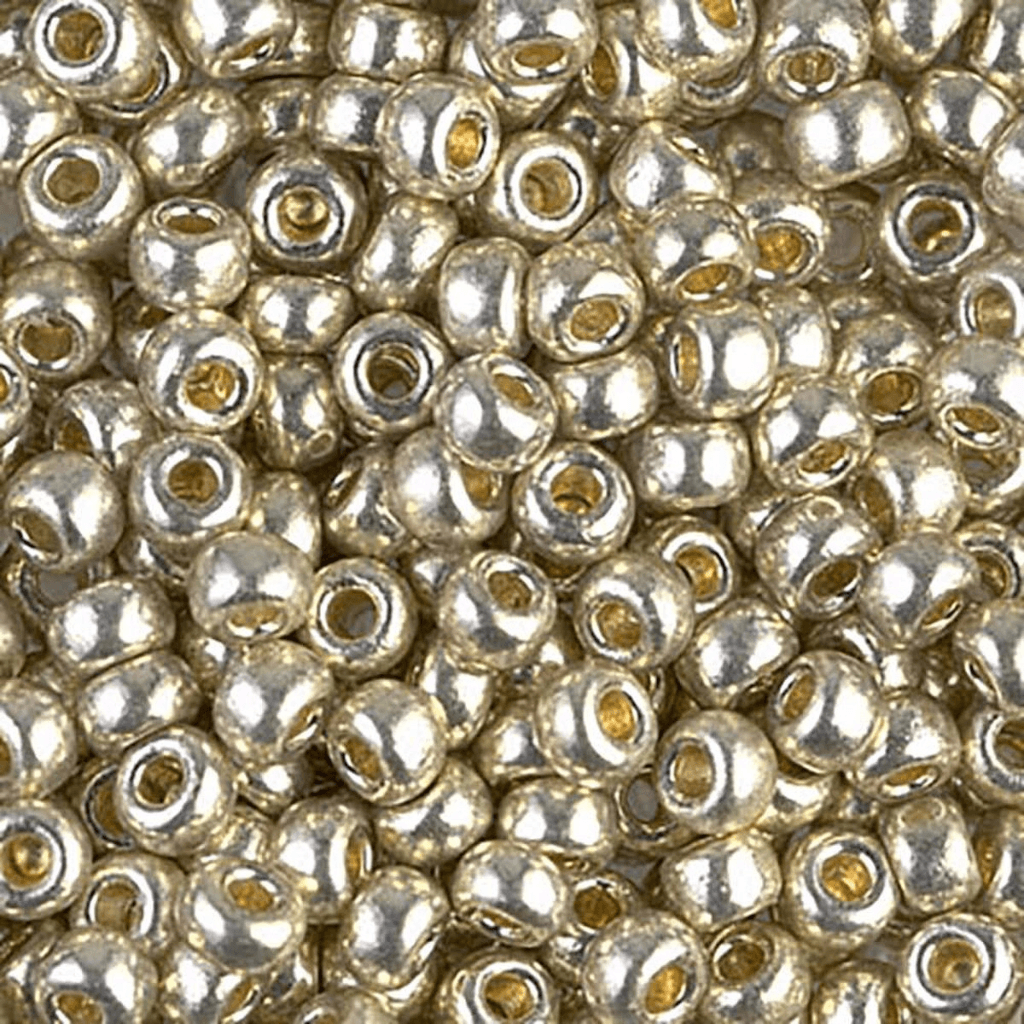
Metallic-looking finishes create stronger reflections and a more pronounced visual presence against the yarn.
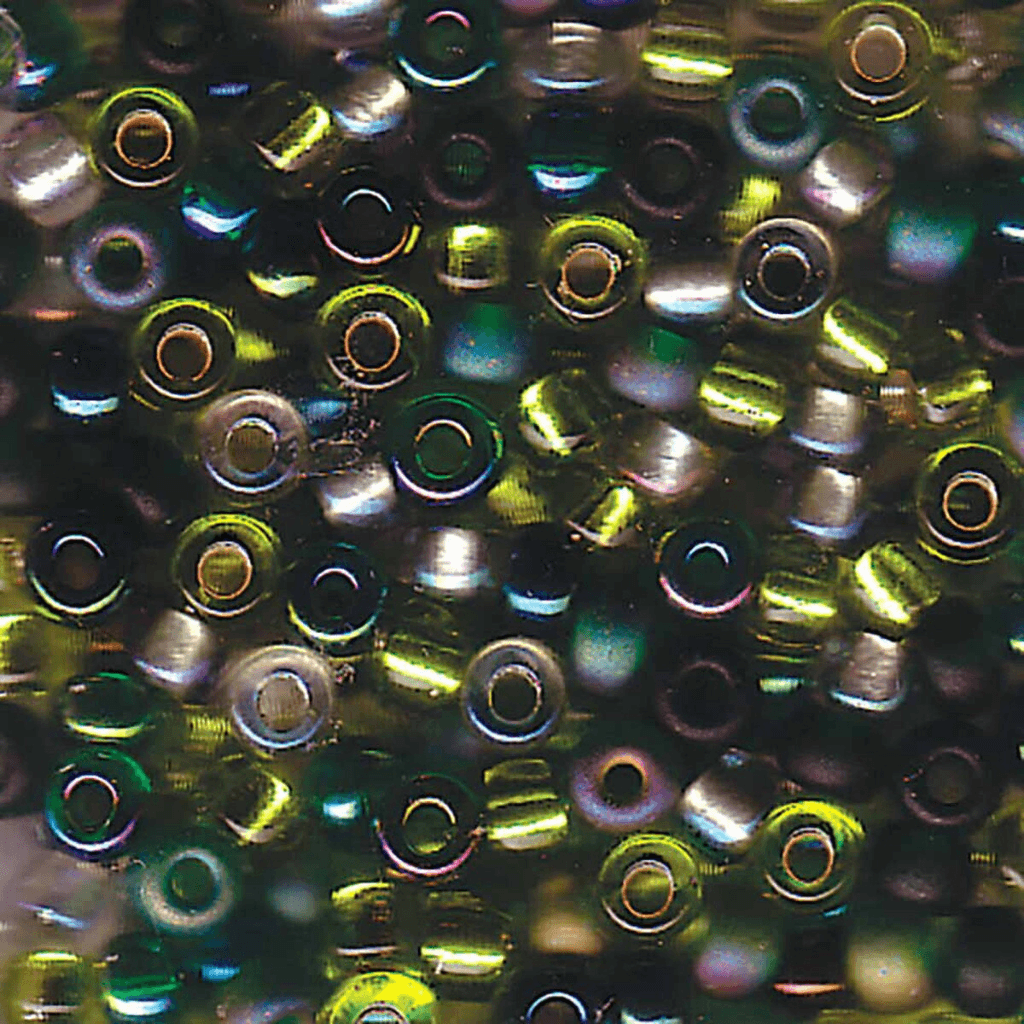
Combinations of different colors and finishes that introduce variety directly through the bead selection.
The flat sides create a more graphic look. This is the option we would consider for lines, borders and geometric designs.
Its facets reflect light from different angles, creating a more dynamic surface with a greater sense of dimension.
The bead is added exactly when needed using a fine crochet hook or another suitable tool. In this method, the tool must pass comfortably through the bead hole.
The beads are threaded onto the yarn before you begin. Here, the inner hole diameter is especially important because the yarn itself must pass through the bead.
Before buying beads for an entire garment, test bead + yarn + tool. The nominal yarn weight is a useful reference, but it does not guarantee that the yarn will pass through the hole.
We do not treat these beads as a stand-alone jewelry category: we select them specifically for how they can be incorporated into knitted garments and accessories.
MIYUKI Round 6/0. It is the most neutral and versatile option in the selection we carry for textile applications.
It is a traditional bead sizing designation. As a practical rule within these bead families, the higher the number before /0, the smaller the bead tends to be.
No. It depends on the bead's inner hole diameter and how much the yarn can compress. It is best to test before starting.
Round creates a more neutral look; Square adds flat sides and stronger geometry; Triangle adds facets, dimension and reflections from different angles.
No. It is a treatment applied to certain surface finishes.
Yes. A single bead weighs very little, but many beads together can add noticeable weight. For projects using a large number of beads, it is a good idea to make a swatch before deciding on the final quantity.
Choose the effect first, check the hole size and make a swatch. Then let the color and finish complete the final look.


